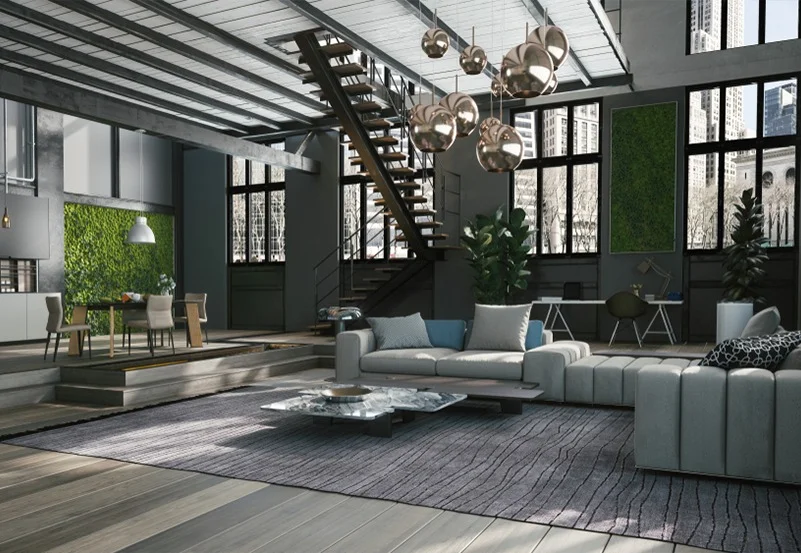
Interior design is a crucial aspect of creating a space that not only reflects your personal taste but also meets your functional needs. From cozy living rooms to efficient office spaces, professional interior designers bring their expertise to transform ordinary spaces into extraordinary environments. In this comprehensive guide, we’ll delve into the benefits of hiring a professional interior designer, what to expect from the process, and how to choose the right designer for your project.
The Benefits of Professional Interior Design
Expertise and Creativity
Professional interior designers are trained to see beyond the obvious and envision how a space can be transformed. Their expertise lies in:
| Aspect | Benefits |
|---|---|
| Spatial Planning | Optimizes use of space for both aesthetics and functionality. |
| Color Theory | Chooses colors that complement each other and enhance the mood of the room. |
| Trend Analysis | Integrates current design trends with timeless elements to ensure longevity. |
Interior designers understand how to balance various elements, including furniture, lighting, and color schemes, to create cohesive and visually pleasing spaces. They also stay updated on the latest design trends, materials, and technologies, ensuring that your space is modern and functional.
Access to Resources
One of the significant advantages of working with an interior designer is their access to exclusive resources. This includes:
- High-Quality Furniture: Designers can source unique and high-quality pieces that are not readily available in retail stores.
- Specialized Fabrics and Finishes: They have connections with suppliers of premium fabrics and finishes, enhancing the overall look and feel of your space.
- Custom Solutions: Designers can create bespoke solutions tailored to your specific needs and preferences.
Their network of suppliers and manufacturers often includes exclusive collections and custom options, which can significantly elevate the design of your home or office.
Cost Efficiency
Although hiring an interior designer involves an upfront cost, it can save you money in the long run. Here’s how:
- Avoiding Mistakes: Designers help prevent costly errors by making informed decisions about materials and design choices.
- Budget Management: They can help you stick to a budget by providing cost-effective solutions and avoiding unnecessary expenses.
- Increased Property Value: A well-designed space can increase the value of your property, providing a return on investment if you decide to sell.
The Interior Design Process
Initial Consultation
The design process typically begins with an initial consultation where you discuss your needs, preferences, and budget with the designer. This meeting helps establish a clear vision and scope for the project.
Concept Development
Following the consultation, the designer will create a design concept. This includes mood boards, sketches, and initial layouts that reflect your style and requirements.
- Mood Boards: Visual representations of color schemes, materials, and furniture.
- Sketches and Layouts: Preliminary designs showing the arrangement of furniture and other elements.
Design Execution
Once the concept is approved, the designer moves on to the execution phase. This involves:
- Detailed Planning: Finalizing design elements, including furniture, fixtures, and finishes.
- Sourcing and Purchasing: Procuring materials and furniture according to the approved design.
- Project Management: Overseeing the implementation of the design, coordinating with contractors, and ensuring that everything is completed to a high standard.
Final Touches
The final phase involves adding finishing touches to ensure that everything is perfect. This may include:
- Decorative Accessories: Adding artwork, rugs, and other decorative elements.
- Final Inspections: Ensuring that all design elements are installed correctly and meet quality standards.
How to Choose the Right Interior Designer
Define Your Style
Before you start looking for an interior designer, it’s essential to have a clear idea of your style. This will help you find a designer whose aesthetic aligns with your vision.
- Research Styles: Look at design magazines, websites, and social media to identify styles you like.
- Create a Vision Board: Collect images and samples that reflect your preferred design elements.
Check Credentials and Experience
Look for designers with relevant qualifications and experience. Consider:
- Certifications: Check if the designer has certifications from recognized design institutions.
- Portfolio: Review their portfolio to see examples of past projects and assess their design capabilities.
- Client Reviews: Read reviews and ask for references to gauge client satisfaction and reliability.
Communication and Collaboration
Effective communication is key to a successful design project. Ensure that the designer:
- Listens to Your Ideas: They should be receptive to your input and preferences.
- Provides Clear Communication: Regular updates and transparent communication are crucial for a smooth process.
- Collaborates with You: A good designer will involve you in decision-making and ensure your vision is realized.
Realizing Your Vision
Working with a professional interior designer ensures that your vision is brought to life with expertise and precision. They will handle all aspects of the project, from initial design concepts to final execution, making the process seamless and enjoyable for you.
Final Reflections
Investing in professional interior design can profoundly impact your living or working environment. By leveraging the expertise of a skilled designer, you can transform your space into a functional, stylish, and personalized haven. Whether it’s for a single room or an entire property, professional design services offer invaluable benefits that enhance both the aesthetic appeal and functionality of your space.