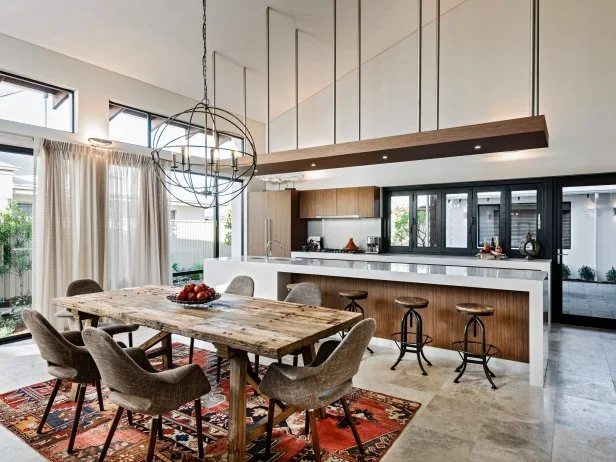
Open concept living has become a defining feature of modern interior design, offering a sense of spaciousness, light, and connection that traditional floor plans often lack. But while the idea of merging your kitchen, dining, and living areas into one expansive zone is appealing, making it feel cohesive—not chaotic—requires thoughtful planning and execution. This guide will walk you through how to design open spaces that feel naturally connected and effortlessly stylish.
What Is Open Concept Living?
Open concept living refers to a home layout where multiple rooms—typically the kitchen, dining, and living areas—exist in a single, shared space without dividing walls. This approach aims to create a seamless environment that encourages togetherness, maximizes natural light, and makes small homes feel much larger.
The popularity of this design trend stems from the lifestyle it supports. Whether you’re entertaining friends or keeping an eye on your kids while cooking, the open layout fosters interaction and visual continuity. However, it also comes with challenges—like noise control, a lack of privacy, or difficulties in creating visual boundaries.
Planning a Cohesive Design Strategy
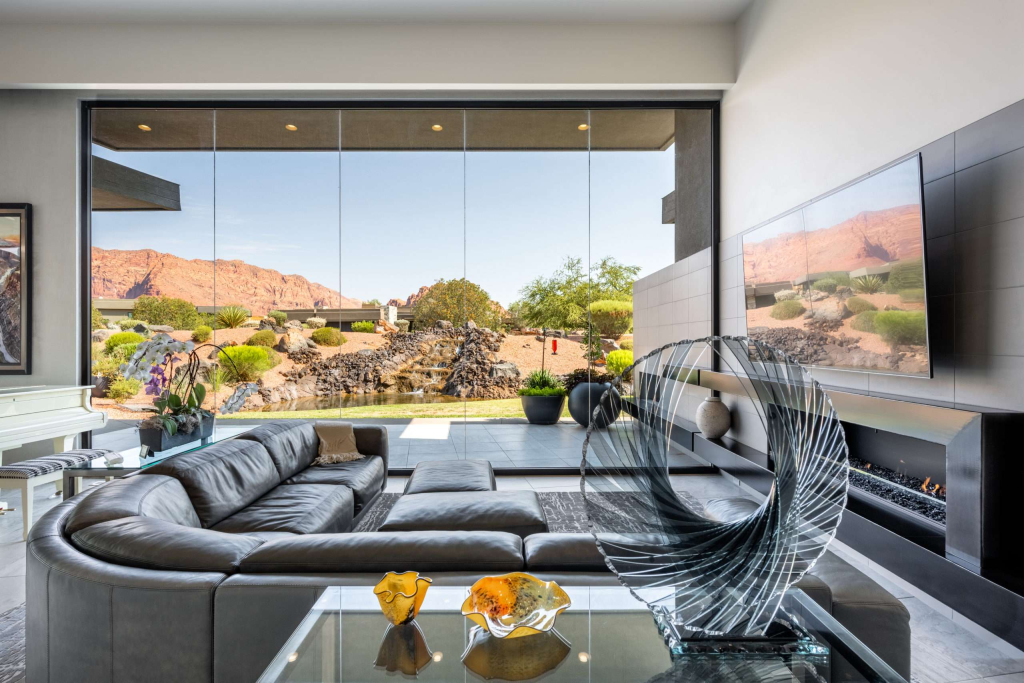
Before moving furniture or choosing paint colors, you need a clear strategy. Cohesion starts with defining the purpose of each area within the larger space. Think of the open concept as one large canvas where each section plays a specific role, but all contribute to the bigger picture.
Start by mapping out these zones in your mind—or on paper. Where will people eat? Where will they gather to relax? What activities are central to your lifestyle? By mentally dividing the space, you set the stage for design decisions that enhance both function and form.
A unified color palette goes a long way in tying everything together. Stick to complementary shades that can flow easily from one space to another. This doesn’t mean every wall needs to be the same color, but transitions should feel smooth rather than jarring.
Another subtle trick is creating visual boundaries without putting up physical ones. Strategic use of furniture, ceiling beams, or even changes in flooring can help distinguish areas while keeping everything visually connected.
Furniture Placement Tips for Flow
Designing for flow means making movement through your space feel intuitive. Instead of blocking natural walking paths with oversized furniture, position sofas and chairs to guide movement in a circular or open-ended fashion. Leave enough breathing room between furniture pieces to prevent the space from feeling crowded.
Anchor each area with a central element. For instance, a rug under the dining table or a sectional couch in the living room helps visually define the zone. The trick is to maintain this sense of place while ensuring that every section feels like it belongs in the same story.
Choose multi-functional pieces that offer flexibility without sacrificing style. Ottomans with storage, extendable tables, or modular seating help keep the layout adaptable as your needs evolve.
Lighting Techniques to Enhance Cohesion
Lighting plays a pivotal role in setting the mood and functionality of open spaces. Rather than relying on a single overhead fixture, think in layers. Recessed lighting can provide general illumination, while pendant lights above the kitchen island offer focus and flair.
A cohesive look is easier to achieve when your light fixtures share similar finishes or design elements. This doesn’t mean everything needs to match perfectly, but a common thread—whether it’s brushed brass, matte black, or chrome—will tie the space together.
Maximizing natural light is essential. Avoid heavy drapery or anything that blocks sunlight from moving freely across the room. Large windows or glass partitions allow light to bounce across different areas, enhancing the feeling of openness and airiness.
Materials and Textures That Tie It All Together
One of the most overlooked elements in open concept design is consistency in materials and textures. Flooring, for example, acts as a unifying foundation. Using the same wood, tile, or laminate throughout the space creates visual continuity and avoids abrupt transitions.
The same principle applies to finishes—such as cabinetry hardware, metal accents, or wood tones. Repetition of textures like matte surfaces, smooth stone, or soft textiles can help maintain a harmonious feel.
However, be cautious not to overdo it. Too much uniformity can feel bland. The goal is to balance cohesion with enough variation to keep the eye engaged. A reclaimed wood coffee table in a modern space, for example, can add warmth and interest without disrupting the overall design language.
Styling Tips: Decor That Connects Spaces
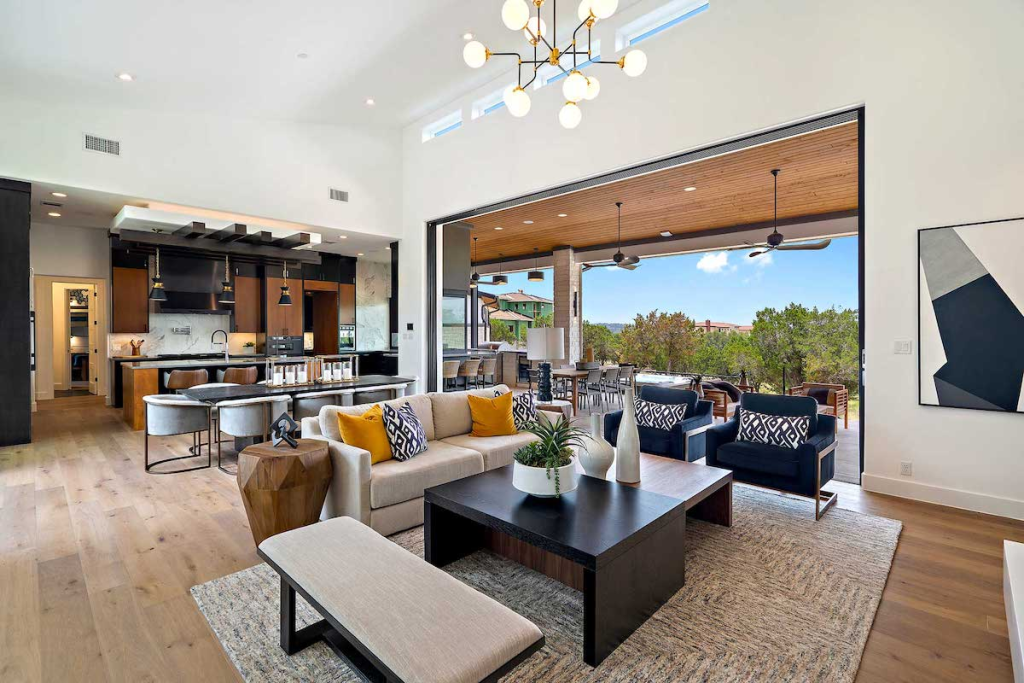
Decor is the glue that holds an open concept space together. Art, accessories, and personal touches should be thoughtfully curated to reflect a shared aesthetic throughout the space. If one area features abstract art in muted tones, carrying similar styles or color themes into adjacent areas reinforces cohesion.
One effective styling method is to use natural elements—like indoor plants—as transitional décor. A large potted plant placed between the dining and living areas can serve as a subtle divider while adding vibrancy and life.
Patterns, when used sparingly, add character without disrupting flow. Choose one or two motifs—a stripe, a geometric shape, or a natural texture—and weave them into different parts of the room. This creates rhythm and a sense of intentional design.
Final Thoughts on Creating a Flowing Open Concept Space
Open concept living offers the freedom to live and design more fluidly, but that freedom comes with responsibility. It takes more than removing a few walls to create a space that feels intentional, harmonious, and practical. By using color, furniture, lighting, materials, and décor strategically, you can design a home that feels both expansive and intimate—where every corner serves a purpose and contributes to the whole.