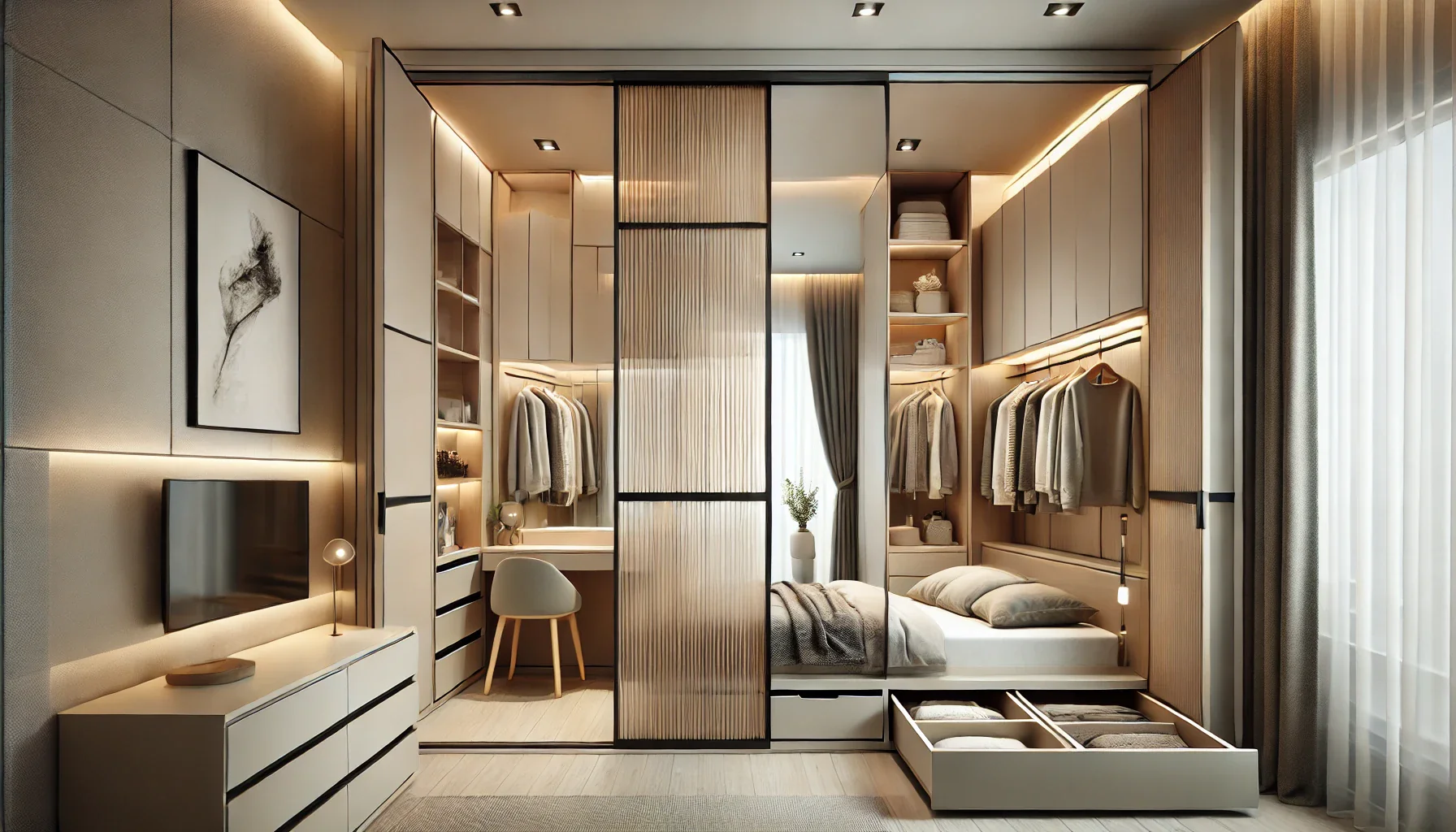
In a world where living spaces are shrinking but belongings keep accumulating, finding clever ways to store things without sacrificing style has become a top interior design priority. Whether you’re in a city apartment or a modern home in the suburbs, smart storage is no longer a luxury—it’s a necessity. But functionality doesn’t have to clash with aesthetics. In fact, when done right, storage can become a stylish and integral part of your interior decor.
Why Smart Storage Matters in Modern Interior Design
Interior design is no longer just about picking the right colors or arranging furniture artfully. Today, it’s about solving real-life problems—and clutter is one of the most pressing. Too many people live in spaces that feel cramped, not because they’re small, but because they’re poorly organized. Smart storage is about creating flow, breathing room, and a sense of peace.
What makes it “smart” is the ability to balance form and function. Imagine a wall-mounted shelf that not only holds your books but doubles as a design feature, or a bed with drawers beneath that hide your off-season clothes without disrupting the room’s harmony. The best interior designers know that storage should feel invisible—but impactful.
Smart Storage Ideas for Every Room
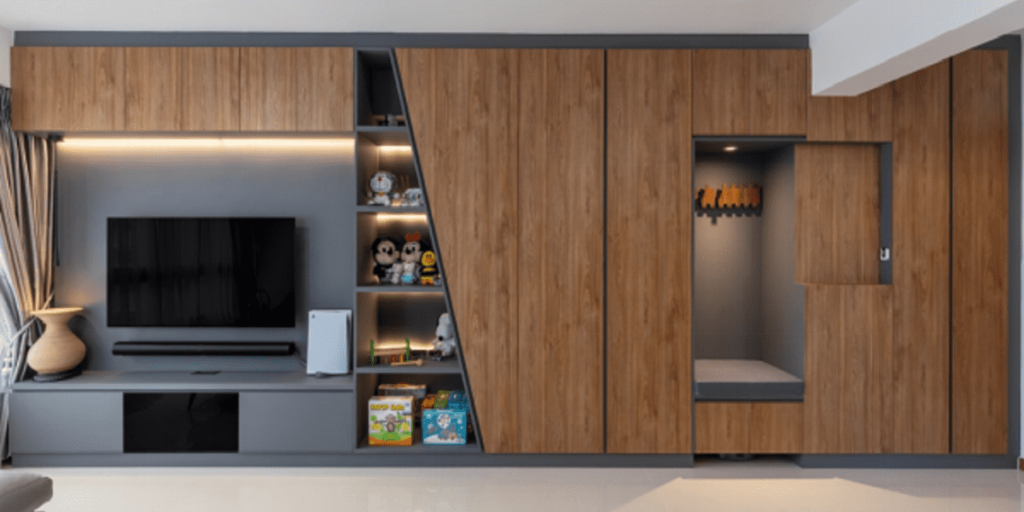
Every room presents its own set of storage dilemmas, but each also offers hidden opportunities. In the living room, bulky entertainment units are giving way to floating media consoles that free up floor space. Sofas with hidden compartments are becoming increasingly popular, as they offer a tidy place to stash blankets or games without any visible clutter.
Bedrooms often need to double as personal sanctuaries and practical storage zones. Rather than relying on bulky dressers, many homeowners are turning to platform beds with built-in drawers or opting for tall, narrow wardrobes that maximize vertical space. Headboards are now being reimagined as functional zones, housing everything from books to lighting.
The kitchen, often considered the most storage-dependent room, benefits immensely from clever cabinet design. Pull-out shelves, corner carousels, and vertical dividers make every inch work harder. Meanwhile, bathrooms are embracing space-saving tricks like mirrored cabinets and floating vanities, which open up floor space while concealing everyday items.
Even the entryway—often an afterthought—can be optimized. Slim console tables, wall-mounted hooks, and bench seating with storage compartments can turn this overlooked area into a highly functional and welcoming space.
Design-Forward Storage Furniture Trends
Modern storage furniture has evolved far beyond the utilitarian plastic bins of the past. Today, built-in units blend seamlessly with walls, giving a minimalist aesthetic that’s especially appealing in contemporary homes. Custom cabinetry can hug irregular corners or sloped ceilings, turning awkward spaces into valuable real estate.
One of the most exciting trends is hidden storage. Think coffee tables with concealed compartments or stairs that double as drawers. These innovations keep your space visually clean without reducing functionality.
Modular storage systems also deserve a mention. Their ability to grow or shrink with your needs makes them perfect for evolving lifestyles. Whether you’re living solo or raising a family, modular units can adapt beautifully—and look good doing it.
Stylish Storage Tips from Interior Designers
Interior designers agree: storage doesn’t need to stand out to be effective. In fact, the best storage is often unnoticed. One common trick is to blend storage solutions with the existing decor. Cabinets can be painted the same color as the wall to make them “disappear,” while open shelving is styled with books, art, and plants to serve both function and form.
Using a mix of textures and colors can also distract the eye from functional elements. For example, a matte black cabinet in a light-filled room becomes a focal point instead of just a utility. Vertical design is another favorite—designers often emphasize going “up” instead of “out” by using tall bookshelves, ladder-style storage, or floor-to-ceiling cabinets.
Layering open and closed storage is another designer go-to. While open shelving can showcase curated objects, closed cabinets keep the less glamorous essentials tucked away. This balance keeps spaces looking polished but lived-in.
Storage Solutions for Small Spaces
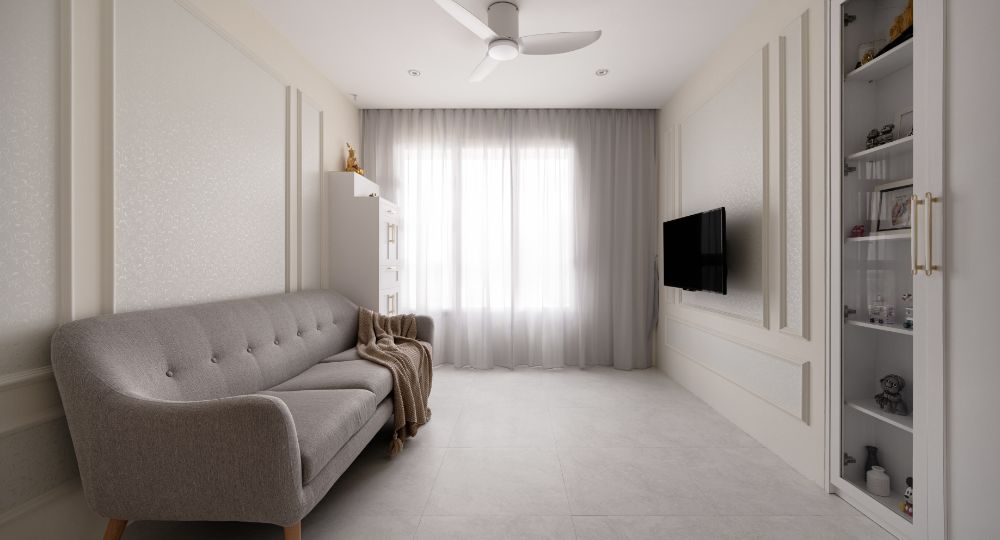
Small-space living demands a new level of creativity. When square footage is at a premium, underutilized zones like stairs, ceilings, or even airspace above doors become prime opportunities.
Under-stair storage is especially versatile. It can be customized into drawers, cabinets, or even a compact office nook. Wall beds—also known as Murphy beds—are making a comeback in urban apartments, folding away to reveal desks or shelving.
Ceiling-mounted racks, especially in kitchens or laundry areas, offer an unexpected but practical way to store items without encroaching on precious floor space. These ideas prove that even the tiniest room can offer big potential.
Sustainable and Eco-Friendly Storage Ideas
Sustainability has become an essential part of modern design. Reclaimed wood, for instance, adds character and warmth to storage furniture while reducing environmental impact. Many designers are now creating custom storage units using upcycled materials, breathing new life into forgotten pieces.
Minimalism also ties into eco-conscious living. Owning fewer but better-quality items reduces the need for excessive storage while promoting intentional living. Investing in dual-purpose furniture—like a bench that stores shoes or a dining table with drawers—reduces consumption and increases functionality in one elegant move.
Mistakes to Avoid When Planning Storage
While smart storage can transform a space, poor planning can do the opposite. One common error is overcrowding a room with too many storage units, making it feel tighter and more cluttered. Another mistake is ignoring the natural traffic flow—blocking windows or pathways with storage items not only disrupts the layout but also the energy of the space.
Choosing pieces that are purely functional but visually out of sync with the room is another pitfall. Storage shouldn’t be an afterthought—it should feel like it was always part of the design. Conversely, some go too far in the other direction, choosing beautiful but impractical furniture that doesn’t actually meet their storage needs.
Maximizing storage doesn’t mean compromising on beauty. With a little creativity and a design-first mindset, your home can become a harmonious space where everything has its place—and looks good doing it. Whether you’re living large or small, the key is integrating function seamlessly into form. Start with one room, observe how storage affects your lifestyle, and let that guide the rest of your home’s transformation.