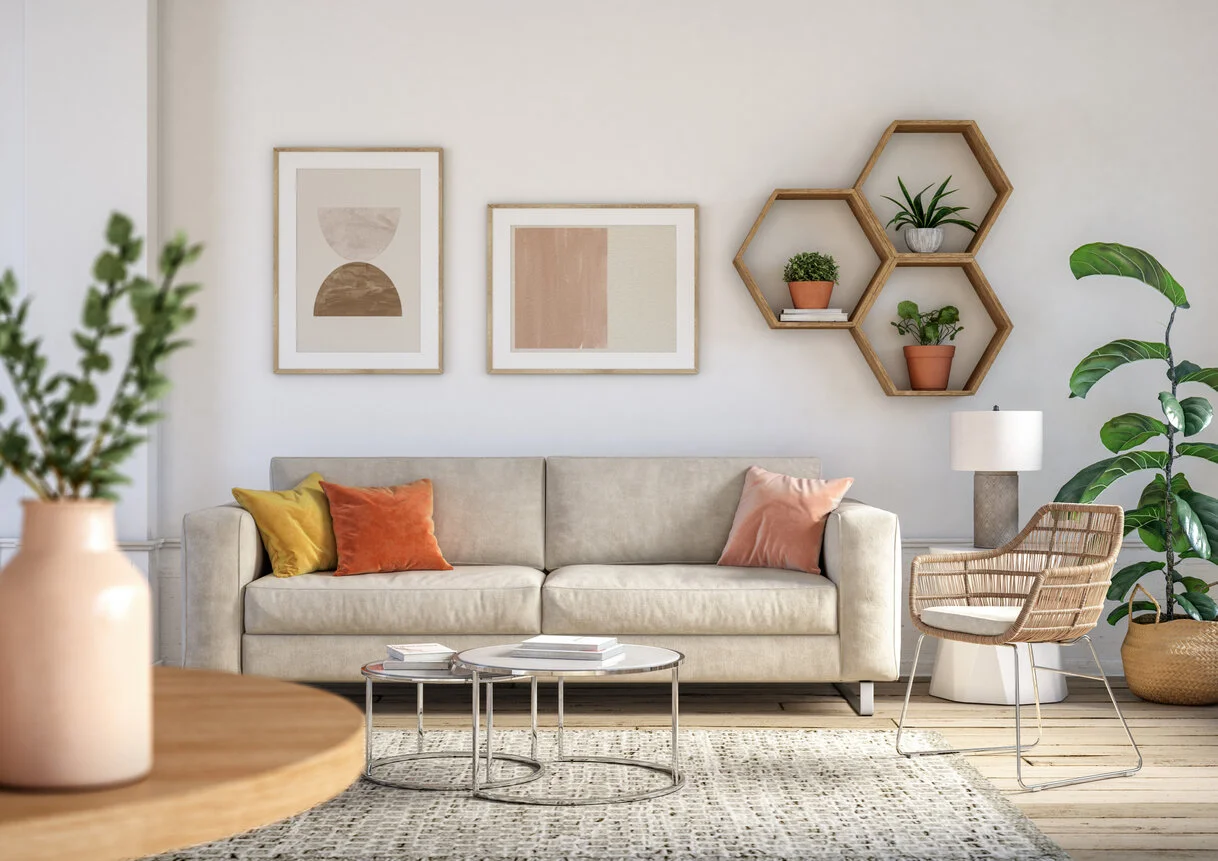
Modern interior design often brings to mind clean lines, minimalistic spaces, and functional layouts. Yet, a growing number of homeowners and designers are moving toward a warmer, more organic aesthetic by incorporating natural elements. These nature-inspired components help soften the starkness of contemporary interiors while adding a refreshing sense of calm, balance, and wellness.
Why Natural Elements Matter in Modern Spaces
Over the past decade, biophilic design has surged in popularity. This design philosophy centers around the human instinct to connect with nature. By inviting natural elements into our living spaces, we not only enhance aesthetics but also promote mental and physical wellbeing. Natural materials and textures create a sensory richness that synthetic designs often lack. Scientific studies even support the idea that exposure to nature—even in built environments—can reduce stress, improve focus, and support emotional health.
In addition to wellness, integrating natural elements aligns with eco-conscious living. Sustainability is no longer just a buzzword; it’s a necessary consideration in design. Natural materials like wood, stone, and organic fabrics support sustainable living and help reduce our environmental impact, making them an ideal pairing with modern principles.
Key Natural Elements to Integrate into Interiors
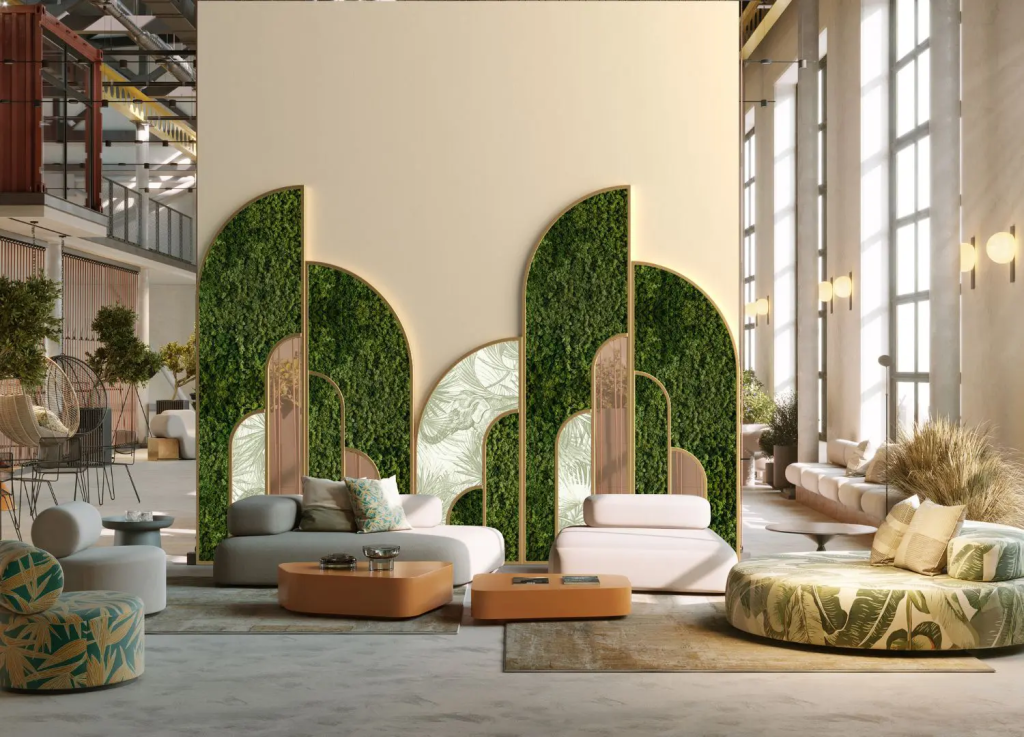
The beauty of nature lies in its variety, and the same principle applies when introducing it into interior design. Wood is perhaps the most timeless of materials, offering warmth and a tactile connection to the earth. Whether in exposed beams, furniture, or paneling, wood serves as a grounding force.
Stone introduces texture and durability. From granite countertops to slate flooring, it adds raw elegance and permanence to a room. Water, often underutilized indoors, can also elevate a space. Simple fountains or aquariums not only introduce a visual focal point but also contribute to a calming auditory environment.
Perhaps the most direct representation of nature, plants breathe life—literally—into a space. They purify the air and infuse interiors with fresh energy. Lastly, natural light is the most transformative element. Strategic use of windows, skylights, and sheer curtains can flood a room with sunlight, enhancing both mood and spatial perception.
Strategies to Blend Nature with Modern Design
Harmonizing modern design with nature requires a thoughtful approach. One of the simplest ways to begin is with your color palette. Earth tones—think soft browns, mossy greens, and muted beiges—echo the outdoors and serve as a subtle foundation for any room.
Instead of heavily ornamented features, opt for organic shapes and clean silhouettes. Curved furniture, handcrafted ceramics, and natural imperfections bring authenticity and character. A popular technique involves mixing sleek, minimalist layouts with contrasting textures like raw wood or woven textiles.
It’s also essential to think spatially. Creating a flow between indoor and outdoor areas—such as connecting a living room to a terrace with glass doors—blurs boundaries and enhances the connection to nature.
Room-by-Room Guide to Incorporating Natural Elements
Each room presents a unique opportunity to work with nature. In living rooms, wooden coffee tables, stone accent walls, or oversized potted plants can set a relaxed and welcoming tone. Bedrooms benefit from soft, breathable fabrics like linen or cotton, while a bamboo headboard or jute rug introduces subtle texture.
The kitchen often serves as a hub of activity, and incorporating nature here can be both aesthetic and functional. Stone countertops paired with wooden cabinetry and herb planters on windowsills create a vibrant, earthy feel. Bathrooms thrive with elements like pebble tiles, skylights, and humidity-loving plants.
In home offices, consider the placement of your desk near a window or incorporating small natural accessories like terracotta pots, driftwood décor, or a wooden shelving unit. Natural light and plant life can drastically improve productivity and mood during work hours.
Best Materials and Decor to Use
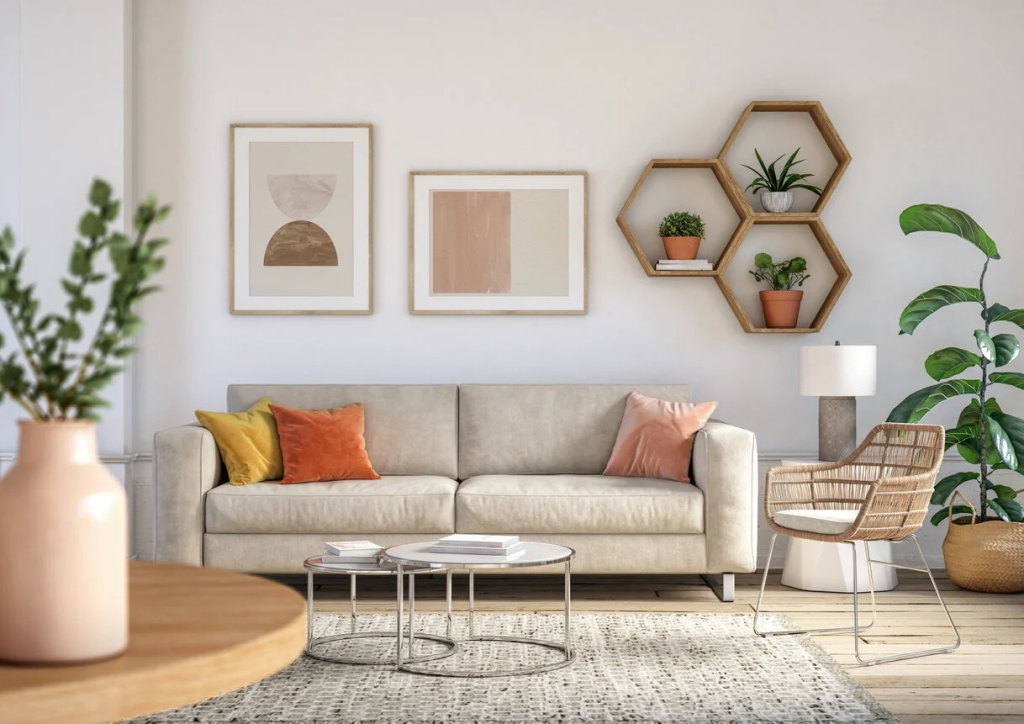
Choosing the right materials is crucial in maintaining harmony between natural elements and modern design. Reclaimed wood, sustainable bamboo, organic cotton, and rattan are just a few options that align beautifully with both eco-friendly practices and contemporary aesthetics. These materials not only look and feel great but also age gracefully, adding depth to your interiors over time.
Furniture made from solid wood rather than veneer, handmade pottery over plastic vases, and linen curtains in place of synthetic ones all add authenticity. Pairing natural fabrics and finishes with a neutral backdrop allows these elements to shine without overpowering the space.
Real-Life Design Examples and Inspiration
Many modern design styles around the world seamlessly merge with nature. Scandinavian design, for instance, embraces functionality and simplicity while emphasizing the use of wood and neutral tones. Japanese Zen interiors are another example, incorporating natural materials, asymmetry, and minimalism to create tranquil spaces.
In urban settings, the concept of the “indoor jungle” has become a trend. Apartments filled with trailing ivy, hanging planters, and leafy floor pots demonstrate how even small spaces can be transformed through greenery. These homes show that integrating nature isn’t limited by square footage—it’s more about creativity and intent.
Common Mistakes to Avoid
While the use of natural elements is generally beneficial, overuse or poor planning can lead to visual clutter or design dissonance. A common error is overwhelming a space with too many plants or textures, which can disrupt the minimalist harmony of modern interiors.
Another frequent mistake is using artificial materials that mimic nature without the sensory experience. Faux wood or plastic greenery might visually replicate the real thing but fail to deliver the depth, texture, or environmental benefits of authentic materials. Finally, mixing natural elements without a cohesive color or design plan can result in an unbalanced space that feels chaotic rather than calm.
Final Tips for a Harmonious, Natural Modern Home
The key to success lies in restraint and intentionality. Natural design is not about flooding your home with greenery or turning every surface into raw wood. It’s about balance—letting certain pieces speak while others support. Spaces should feel open, breathable, and well-lit. Invest in good lighting, choose quality over quantity, and allow nature to inspire your layout, flow, and materials.
Remember, nature isn’t just a visual motif—it’s a sensory experience. The textures you touch, the smells of fresh greenery, the sounds of water or rustling leaves—all contribute to an atmosphere of serenity.