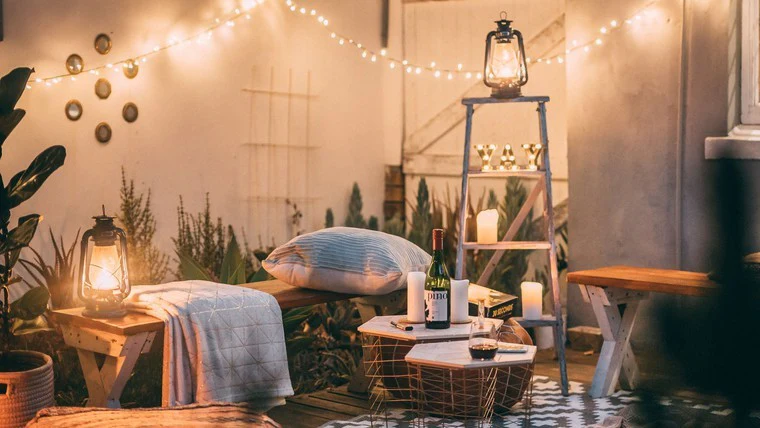
Lighting isn’t just about visibility—it’s about emotion, comfort, and atmosphere. Whether you’re winding down after a long day or entertaining friends, the right lighting can turn any room into a cozy, inviting space. It shapes how we feel, how we connect, and how we move through our homes. Thoughtful lighting design isn’t an afterthought—it’s the foundation of a welcoming home.
Why Lighting Design Matters in Your Home
We often underestimate the power of lighting until we step into a room that just feels right. The warmth of a soft glow or the elegance of subtle shadows can completely shift the emotional tone of a space. Warm lighting, which leans toward yellow and amber hues, tends to create a relaxing and comforting environment, while cooler tones, often blue or white, are more energizing and clinical.
Lighting plays a psychological role too. Dimmed lights signal to our minds that it’s time to relax, while bright, focused lighting helps with concentration. Understanding how light interacts with the spaces we live in gives us the ability to fine-tune how those spaces feel—whether we want to energize a workspace or soften a bedroom.
Layered Lighting: The Secret to a Cozy Ambience
A single light source rarely creates a balanced atmosphere. Instead, layered lighting helps develop a sense of depth and intention within a room. Ambient lighting acts as the base, offering general illumination and setting the tone. Think ceiling fixtures or overhead recessed lights that spread a soft wash throughout the space.
Next comes task lighting, which supports specific functions—like reading, cooking, or working. It doesn’t need to be harsh or boring; desk lamps, kitchen pendant lights, or bathroom sconces can be both useful and stylish.
Finally, accent lighting gives a room personality. It might illuminate a painting, a bookshelf, or an architectural feature. This subtle highlighting draws attention without overwhelming, adding visual interest that makes a room feel complete.
Room-by-Room Lighting Tips for a Cozy Home
Lighting design should respond to each room’s purpose. In the living room, layering light sources ensures flexibility—from movie nights to lively conversations. Wall sconces and standing lamps near reading areas provide soft pools of light without overpowering the space.
Bedrooms benefit from warmth and softness. Lamps with warm-toned bulbs placed beside the bed offer a gentle start and end to each day. You can also use hanging pendants or hidden LED strips to build subtle elegance.
In the kitchen and dining areas, lighting should support both function and atmosphere. Pendant lights over the island or dining table create natural focal points, while under-cabinet lighting adds practicality with a cozy glow. Bathrooms often require bright lighting, but adding soft light behind mirrors or integrating dimmers can create a spa-like retreat.
Entryways and hallways are sometimes overlooked, yet they set the tone as you move through your home. Lighting here should be inviting—subtle wall-mounted lights or lantern-style fixtures can add charm and warmth.
Natural Light: Maximizing Daylight in Your Design
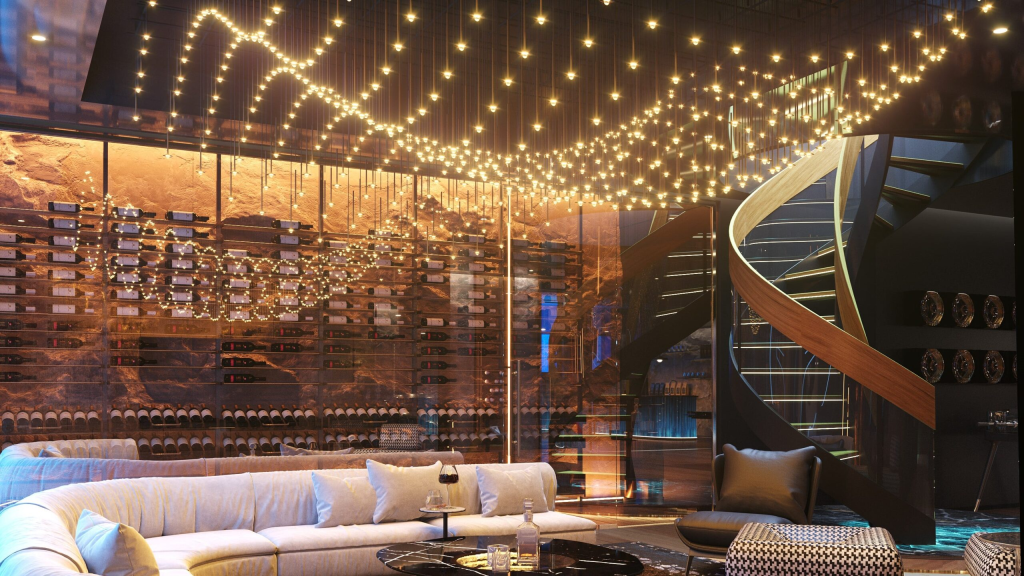
No artificial light compares to the calming and energizing power of natural light. Embracing daylight starts with your windows. Choose sheer or light-filtering treatments that let light pour in while maintaining privacy. Removing heavy drapes and opting for minimal framing allows daylight to spread deeper into a room.
Mirrors are a powerful tool when working with natural light. Strategically placed opposite windows, they bounce light around the room and create a sense of airiness. Complement this with light-colored walls and ceilings, which help reflect rather than absorb light. Open layouts and uncluttered spaces also maximize brightness, allowing the sun to become a key design feature in your home.
Choosing the Right Light Fixtures and Bulbs
Not all light bulbs are created equal. The color temperature of a bulb directly influences the mood of a room. For a cozy, inviting feel, opt for bulbs with a warm white range of 2700K to 3000K. These tones are perfect for bedrooms, living rooms, and other relaxation spaces.
Energy efficiency is another important consideration. LED lighting has evolved significantly, offering a broad range of warm hues while saving on electricity bills and lasting longer than traditional bulbs. Choose fixtures that not only serve a functional purpose but also align with the design style of your home—whether that’s industrial, Scandinavian, boho, or traditional.
The goal is harmony. Let fixtures enhance your room’s identity rather than overpower it. A statement chandelier in the dining room, a sleek pendant in the hallway, or vintage wall sconces in the bathroom can bring everything together.
Smart Lighting for a Modern Warmth
Today’s smart lighting systems bring flexibility and personalization to a whole new level. With app-based or voice-controlled systems, you can adjust brightness, set schedules, and even change colors—all without touching a switch. It’s not just about convenience; it’s about shaping the way you experience your home.
Scene settings allow you to tailor lighting to specific moments. Morning routines can be accompanied by a bright, energizing glow, while evenings can be softened with dimmed lights. Technology makes it easier to live in comfort, while still embracing design that feels warm, human, and intentional.
Common Lighting Mistakes to Avoid
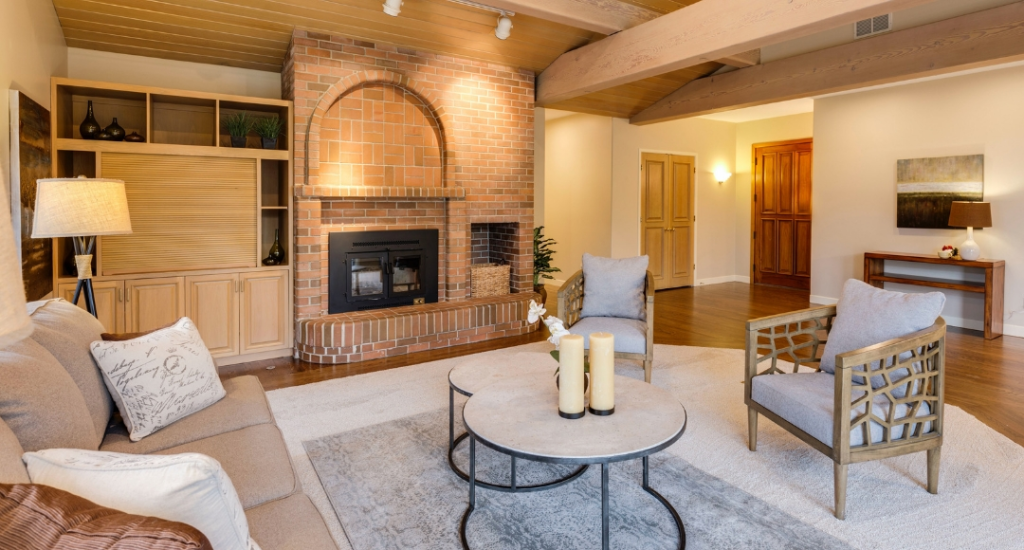
Despite the availability of great lighting solutions, some common pitfalls persist. Overlighting is one of the biggest offenders. More isn’t always better. Rooms drenched in overly bright light can feel sterile and uncomfortable. Instead, use lighting to create rhythm and movement.
Another mistake is ignoring natural light sources and trying to compensate with artificial lighting alone. Also, avoid mixing bulbs with different color temperatures in the same room—it creates visual chaos. Lastly, don’t overlook the design of the fixture itself. Choosing lighting that clashes with your decor can break the harmony you’re trying to achieve.
Final Thoughts: Creating Atmosphere Through Thoughtful Lighting
Designing with light means thinking beyond just visibility. It means crafting a mood, enhancing the character of your space, and creating an atmosphere where people feel at ease. Light affects how we relax, how we gather, and how we live. With the right balance of natural light, thoughtful fixture choices, and layered design, your home can become the warm, inviting retreat you’ve always imagined.