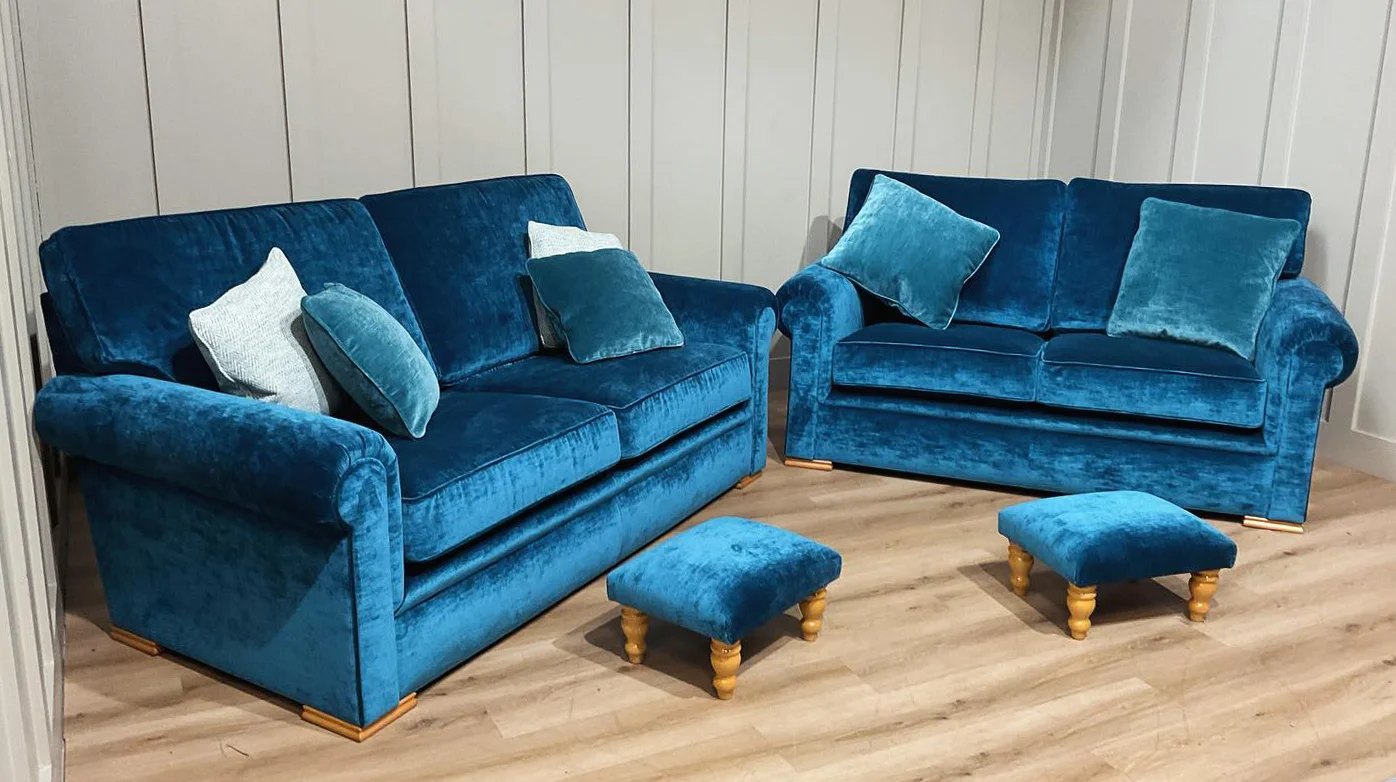
When designing a space, furniture isn’t just functional—it’s part of the story you’re telling. From sleek modern apartments to cozy traditional homes, the pieces you choose influence the overall aesthetic, functionality, and even emotional atmosphere of your interior. As homeowners and designers seek a balance between beauty and practicality, one common question arises: should you invest in custom furniture or stick with store-bought options?
This article dives into the nuances of both, helping you decide which route makes more sense for your interior design goals.
What Is Custom Furniture?
Custom furniture refers to pieces that are designed and crafted specifically for a particular space, purpose, or individual. Unlike mass-produced furniture found in showrooms, custom furniture starts with your vision, often involving collaboration with a designer or carpenter. From dimensions and materials to color palettes and finishes, every element is tailored to your preferences.
The beauty of custom furniture lies in its uniqueness. It allows for creativity and personalization that’s impossible to find in ready-made alternatives. Whether it’s a dining table carved from reclaimed wood to match your rustic theme or a sofa designed to fit a corner alcove, custom pieces are about making your space truly yours.
However, the process isn’t without challenges. Custom furniture tends to cost more, not just due to materials but because of the skilled labor and time involved. Production may take weeks or even months, depending on the complexity of the design and the availability of resources. There’s also little room for return or refund if the piece doesn’t turn out as expected, making it essential to work with reputable craftsmen.
What Is Store-Bought Furniture?
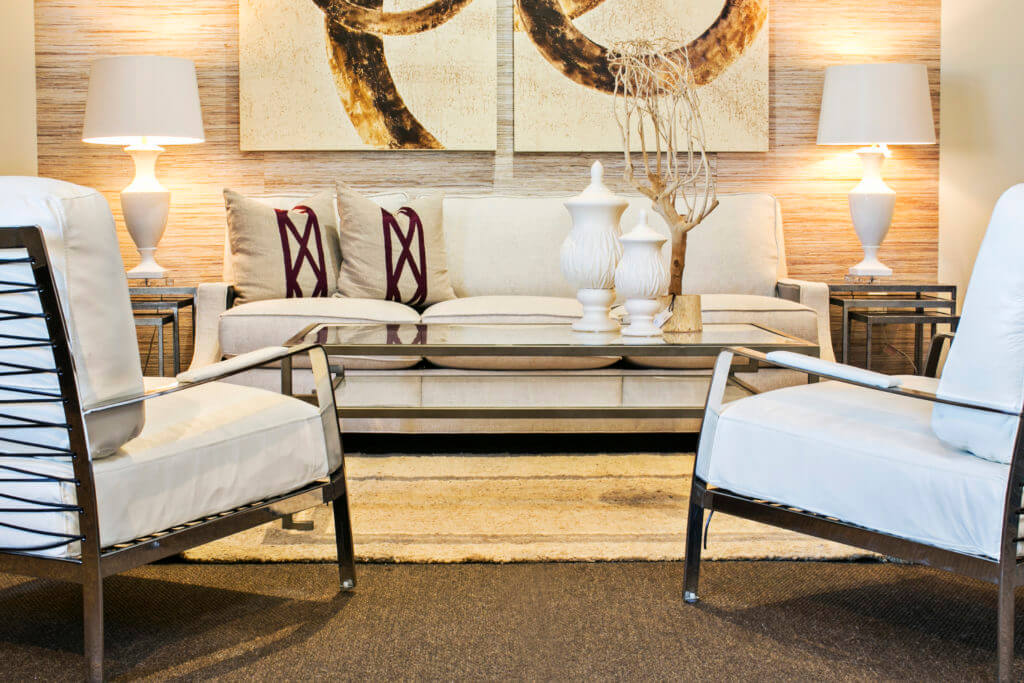
Store-bought furniture is the go-to choice for many, especially when time or budget is limited. These items are produced in large quantities and sold through furniture retailers, often with immediate availability. You can walk into a store—or browse online—choose a style you like, and have it delivered within days.
Its greatest appeal is convenience. You don’t have to wait or commit to a design process. Plus, with a wide range of styles, colors, and materials, there’s something for nearly every taste. For budget-conscious buyers or those furnishing temporary spaces, store-bought options can be both practical and stylish.
That said, what you gain in ease, you might lose in character and longevity. Since these pieces are designed to fit broad consumer needs, they often lack the personal touch or durability of custom furniture. Sizing can be an issue too—what looks perfect in the showroom may feel awkward or oversized in your living room. And while you may fall in love with a trendy design today, it might not suit your space in the long run.
Comparing Custom and Store-Bought Furniture
When it comes to cost, store-bought furniture generally wins in the short term. It’s easier on the wallet and doesn’t require a long commitment. However, custom furniture often offers better long-term value, especially if you’re looking for durability and design that evolves with your space.
Design flexibility is another key factor. Custom furniture can be made to align perfectly with your vision. You can choose materials that reflect your taste and values—whether that’s eco-friendly wood or a specific fabric texture. In contrast, store-bought items may require compromises.
In terms of quality, custom-built pieces often stand out. They’re crafted by hand, usually with better materials, and built to last. Store-bought options may prioritize aesthetics and price over long-term durability, which can result in wear and tear more quickly.
Then there’s the matter of time and convenience. If you need to furnish a home quickly, store-bought is the obvious solution. Custom furniture, while rewarding, requires patience. It may also involve site visits, measurements, and revisions.
For interior design goals, the decision depends largely on what you’re trying to achieve. A curated, one-of-a-kind look may demand custom pieces, while a fresh, updated look on a budget might be perfectly accomplished with store-bought items.
When to Choose Custom Furniture
Custom furniture is an ideal choice when you’re working with irregular or tight spaces. If your apartment has a uniquely shaped corner or a tricky floor plan, custom-built solutions can maximize both aesthetics and utility. It’s also the best option when you want a standout piece that anchors the design of your room—something that reflects your personal taste and makes a lasting impression.
High-end interior design projects almost always lean toward custom solutions because they allow designers to control every aspect of a room’s visual harmony. When precision matters, and quality is paramount, custom furniture shines.
When Store-Bought Furniture Makes More Sense
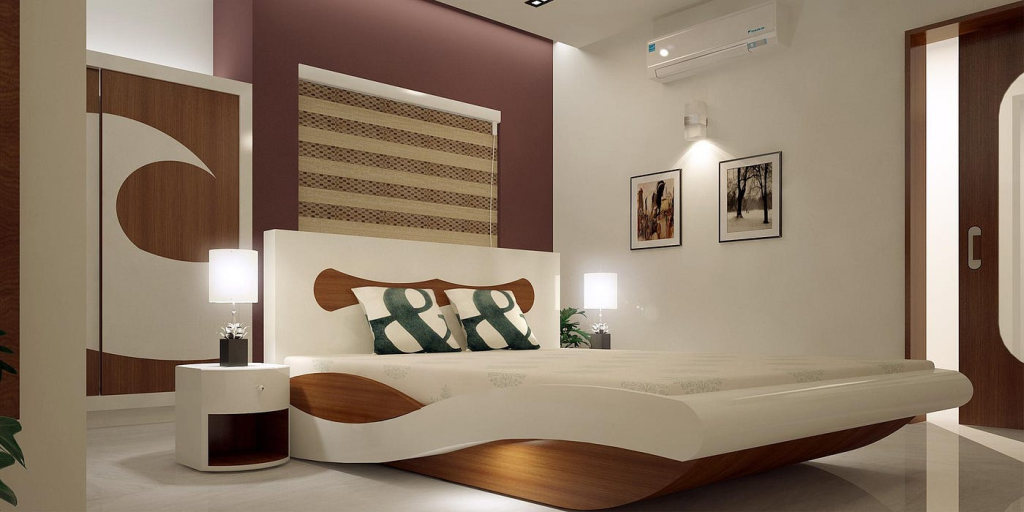
If you’re working with time or financial constraints, store-bought furniture can be the smart choice. It’s particularly helpful for renters or people furnishing a temporary home. The ability to see, touch, and test an item before purchase also adds peace of mind for many buyers.
In design staging for real estate or updating a room seasonally, store-bought options give you the flexibility to refresh a space quickly without significant investment. You can also follow current trends more easily without feeling locked into a permanent design.
Expert Tips for Making the Right Choice
Interior designers often recommend blending both types. You might choose a custom dining table to be the centerpiece of your room, then complement it with off-the-shelf chairs that match in tone but not necessarily in origin. Prioritizing key areas—like the living room sofa or master bed—can help maximize the impact of custom furniture without overspending.
Ultimately, don’t just look at a piece for how it looks—consider how it functions, how it fits in your space, and how long it will serve your lifestyle.
Custom and store-bought furniture each have a valuable role to play in interior design. Custom pieces offer personality, precision, and long-term value, while store-bought items deliver accessibility, affordability, and speed. The best choice depends on your goals, your budget, and how much personalization you need to bring your design vision to life.
You don’t have to choose one over the other—successful interiors often strike a balance between the unique and the practical.